
How to Heal When Painful Memories Won't Let Go
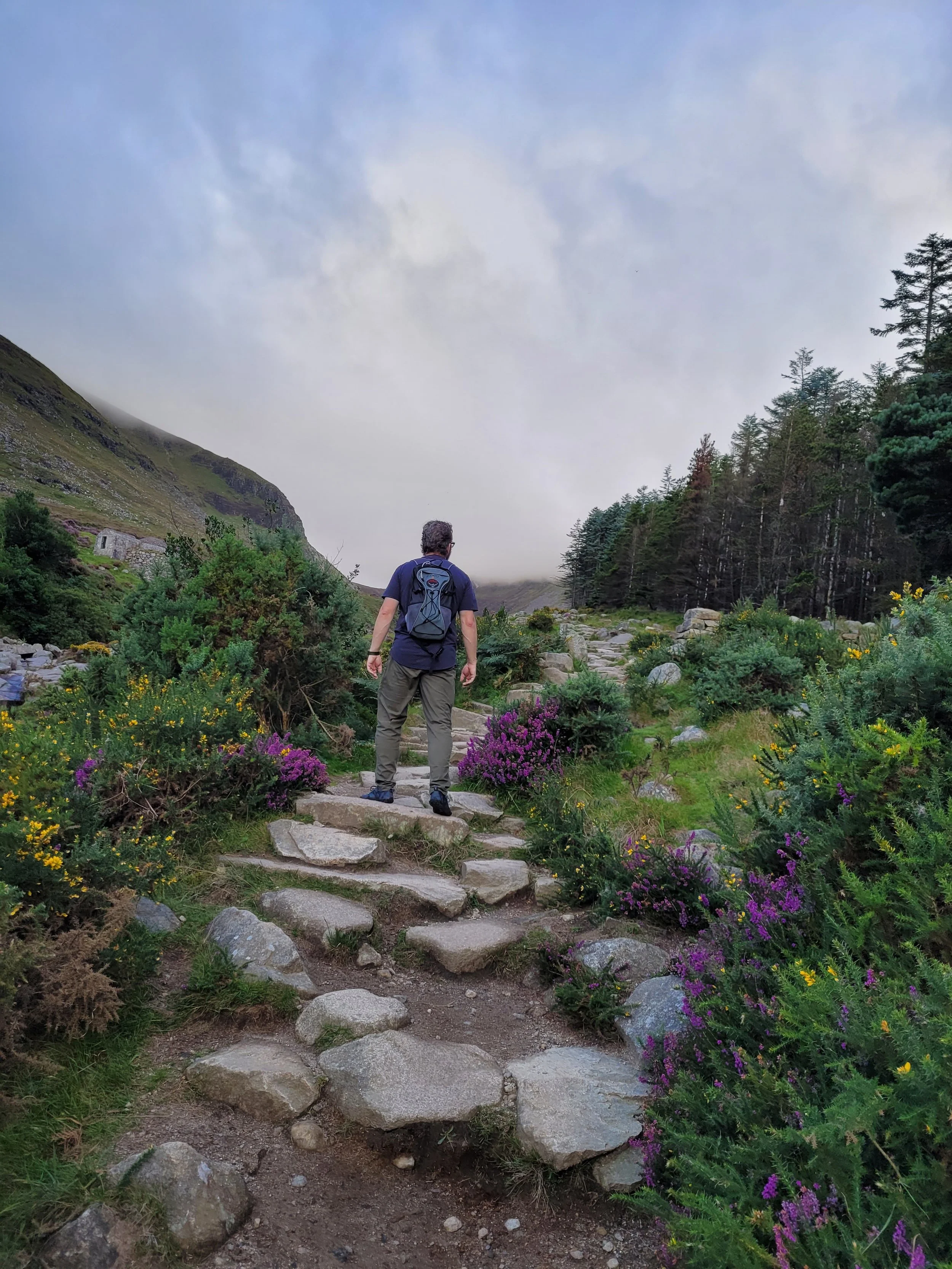
Copyright Kelsey Carter 2026 Mourne Mountains
I have been challenged to answer the question: Does how something ended quantify its impact or significance? Should that determine all future connections with the memory, person, or place?
That's what I want to share about—a practical approach to processing painful memories and moving forward after betrayal, grief, and disappointment.
The Backstory (Briefly)
2025 wasn't my favorite year. It wasn't devoid of blessings, protection, or provision. I am grateful for the many things God did, but it wasn't my favorite year. 2025 was the year that brought an unexpected and painful end to a beautiful dream and season.
My family and I moved to another country to serve a local church because God had called us. For over two years we served in a small, close-knit church and community. We loved it. We were blessed to live in a beautiful home in one of the most beautiful parts of the country. We made friends and dove headfirst into making that place home. We did life there. Birthdays, holidays, dentists and orthodontists, sports, and church camps. It was home, it was everyday life.
That was abruptly and fairly unexpectedly ended in January of 2025. It brought an end to our visa, our home, and most painfully, our connection to the church and many of the people and friends we had made. There's no need to get into why because it doesn't matter. But it resulted in (probably both sides) feeling betrayed, disappointed, let down, and hurt.
Moving back to Washington was never part of the plan. Moving into a non-traditional living arrangement wasn't our plan. Working unrelated, low-level jobs was never part of our plan. Obviously, God had different plans.
I share that to help you find a point to relate to. Have you felt the sting of betrayal, lost dreams, fractured relationships, sudden life changes? Those are real hurts to work through. But what do you do when the memories come up?
The Problem: When Painful Memories Trigger Avoidance
I loved our life there. I loved our church, our friends, the country. It wasn't always easy. But I loved it. We had fun, we made core family memories there!
But in the grieving process, I was faced with two very opposing emotions. I would recall a memory of fun and friends. And then think, "but then it ended with XYZ happening." I would think about the house we lived in and think "But we had to move out." So I found myself wrestling with my emotions, not wanting to recall memories or look at pictures because of the pain caused by its ending.
This can cause a protective mechanism in our brain to trigger, where it tries to "forget" or hide those memories to avoid the pain. Our bodies and brains are naturally wired to protect us from pain because pain equals injury.
But it doesn't have to be this way. I don't want to forget the memories, even of the people who eventually caused pain. I don't want to erase the memories of places we went, even if we can't get to them anymore. And I especially don't want to lose the testimonies of what God did. How the time ended does not erase, detract, or negate the work God did, the blessings we (and others) received in that time.
A Gratitude Practice for Healing Painful Memories
I began a new exercise in my mind, and then out loud, and have been sharing it with my kids. A memory, moment, place, or person might come up in conversation, in pictures, or just in my mind. Instead of running from the associated pain (disappointment, betrayal, let-down, whatever it might be), I deliberately spend time thinking or talking about how great that person/place/event was in the moment of that memory.
"Remember when we would go to their house and spend the day eating snacks and playing? Remember the amazing desserts ____ would make? Remember the weekend of that event and what amazing things God did? Wasn't that so fun to be part of? I loved that house; it was such a cool house to live in. I am so glad we had that time with those people. We are so blessed to have lived in that house, had that view, got to walk those trails…"
I am not dismissing my heart's grief or loss, but I am not letting that rewrite the story. Especially when it comes to people. Forgiveness is often a recurring process, and the more I dwell on the pain of their last actions towards me, the more I have to check my heart for resentment or unforgiveness. But by thanking God for the blessings they were, the gifts they gave, the sacrifices they made, I keep love that "believes all things, hopes all things, and endures all things" alive towards them. It may not result in a relationship, but that's not the point.
"Guard your heart for out of it flow the wellsprings of life." It's my heart that I am accountable for. And since I know God has good things planned for me in the future (and present), I don't want to miss out on them because I didn't steward the gifts he gave me in the past.
Why This Matters
This approach to healing from disappointment and processing grief works because of how our brains actually function. Blocking out memories is a trauma response in the brain. It is normal and in extreme cases, necessary for living. But if we allow the habit of blocking anything associated with pain, we create memory loss as a habit. Being pain-avoidant trains our brain to disconnect from or weaken the pathways to that person, place, event, etc.
Healing with Jesus means we allow him to create new connections with that person, place, or event. It requires intentionally visiting the memory and then shifting the focus from hurt, pain, anger, etc to gratitude, blessing, and forgiveness. In fact, practicing gratitude will release dopamine, which is the pleasure/reward feeling, and serotonin, which regulates mood. It has also been linked to increased gray matter and cognitive function.
Moving Forward: Choosing Gratitude Alongside Grief
I still have to let myself lament and mourn loss; that is a necessary part of emotional healing. But grief and mourning are not negative in themselves; it's what we associate with the loss that makes it negative.
The ending doesn't get to be the only narrator of the story. The hurt was real, but so was the blessing. The pain of how it ended doesn't erase the testimonies of what God did while we were there. I get to choose what I connect to when those memories surface—and I'm choosing gratitude alongside the grief.
